
The Ultimate Fall Guide: Everything to Do, Eat, Cook, and See This Autumn in the U.S.
From pumpkin patches and apple orchards to peak leaf-peeping, campfire s'mores, and the comfort foods that define the season — your complete American autumn playbook. Date: 09/22/2026 | Location: United States (national guide) Introduction: Fall Is a Season You Have to Schedule Autumn is the shortest season

From pumpkin patches and apple orchards to peak leaf-peeping, campfire s'mores, and the comfort foods that define the season — your complete American autumn playbook.
Date: 09/22/2026 | Location: United States (national guide)
Introduction: Fall Is a Season You Have to Schedule
Autumn is the shortest season on the American calendar in practice, even though it officially runs from the September equinox to the December solstice. The window where the trees are at full color, the pumpkins are still in the field, and the nights are crisp but not yet brutal is roughly six weeks long — and it slides south as the season progresses.
That means fall rewards planning more than any other season. A pumpkin patch trip in the wrong week gets you a muddy field of rotted vines. A leaf-peeping drive two weeks late gets you bare branches. A chili night in July is just soup. The guide below covers the whole country and the whole season: where to go, when to go, what to pick, what to cook, what to eat, and what to do when you just want to stay home with a blanket and a mug.
Everything here is written to work in any state. A companion Minnesota-specific edition is planned separately, but this one is for anyone, anywhere in the U.S.
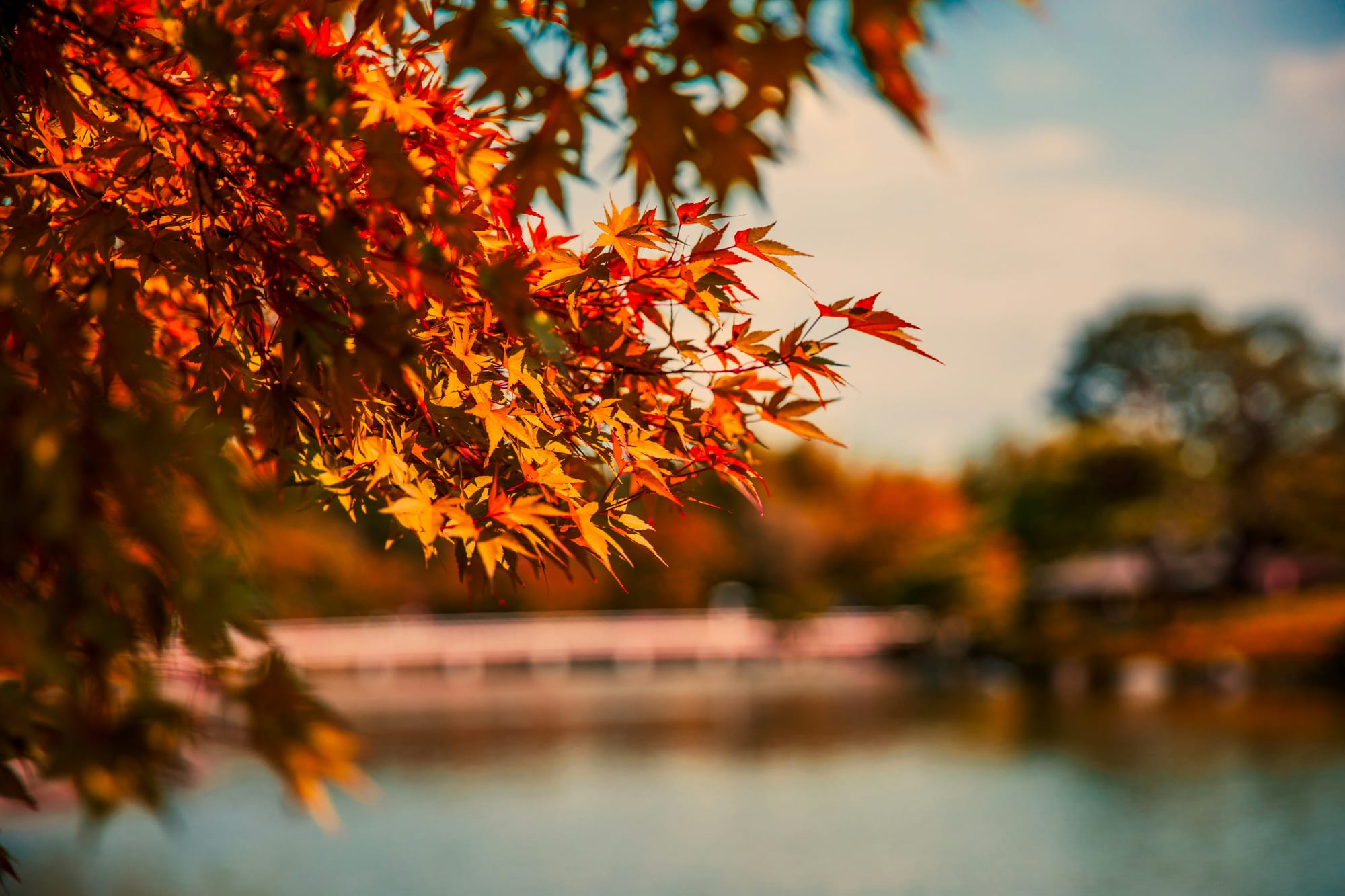
Part 1: Leaf Peeping — How to Catch Peak Color
Why leaves change, in one paragraph
Shorter days and cooler nights cause deciduous trees to stop producing chlorophyll, the green pigment that masks every other color in the leaf. As green fades, the yellow and orange carotenoids that were there all along become visible. In trees like maples and oaks, warm sunny days combined with cool — but not freezing — nights trigger the production of anthocyanins, the pigments responsible for the deep reds and purples. That is why a fall with bright days and chilly nights produces the most spectacular red maple display, and a fall with a warm, wet October produces a lot of muted yellow and brown.
The national foliage timeline
Peak color moves south at roughly 10 to 14 days per degree of latitude, and elevation can shift a location by two to three weeks on its own. Use this as a rough calendar and then check a live tracker before you drive anywhere.
Region Typical peak Notes
Northern New England (VT, NH, ME), Up North Michigan, northern Minnesota Late September – mid-October First color in the country. Book lodging in August.
Upper Midwest, Great Lakes, northern Rockies, Pacific Northwest Late September – late October Aspen in Colorado and Utah peaks late Sept–early Oct.
Mid-Atlantic, Ohio Valley, southern New England, Ozarks Mid-October – early November The biggest and most reliable window for most Americans.
Southeast, Appalachia, Blue Ridge, Smokies Late October – mid-November Longest-lasting color. Great for a November trip.
Deep South, Gulf Coast, Texas, Central/Southern California Early November – early December Later and subtler, but real. Sweetgum, cypress, and maple.
Two free trackers worth bookmarking every year: the U.S. Forest Service fall colors pages for each national forest, and the SmokyMountains.com interactive fall foliage prediction map, which publishes a week-by-week county-level forecast each September.
Scenic drive strategy
A great foliage drive is less about the destination than the routing. Five rules that work anywhere:
Pick a route with water or elevation. A river valley, a lake shore, or a ridge road stacks color in layers. Flat, uniform farmland gives you one wall of yellow.
Drive it in the morning or the last two hours before sunset. Midday sun flattens color; low-angle light makes it glow.
Overcast days are underrated. A soft overcast sky deepens saturated reds and eliminates glare. Some photographers prefer it.
Go on a Tuesday. Weekend traffic on famous routes such as Vermont's Route 100, the Blue Ridge Parkway, and Skyline Drive turns scenic overlooks into parking lots.
Take the unpaved side road. The named scenic byway is the headline; the county road two miles off it is usually the photo.
A hillside farm in full autumn color. Rural roads, not highways, are where the season actually looks like the postcards.
Scenic drives peak in the low light of early morning and late afternoon.
Five nationally notable leaf-peeping destinations
Vermont Route 100 and the Green Mountains, Vermont — the most famous foliage corridor in the country, peaking the first two weeks of October.
Blue Ridge Parkway, Virginia and North Carolina — 469 miles of managed overlooks, peaking mid-to-late October at elevation and into early November in the valleys.
Great Smoky Mountains National Park, Tennessee and North Carolina — one of the longest foliage seasons in the U.S. because the elevation range spans 5,000 feet.
Aspen and the San Juan Mountains, Colorado — golden aspen groves rather than hardwood color, peaking late September to early October.
The Enchanted Circle and Sangre de Cristo foothills, New Mexico, and Michigan's Tunnel of Trees (M-119) — two of the most underrated drives in the country.
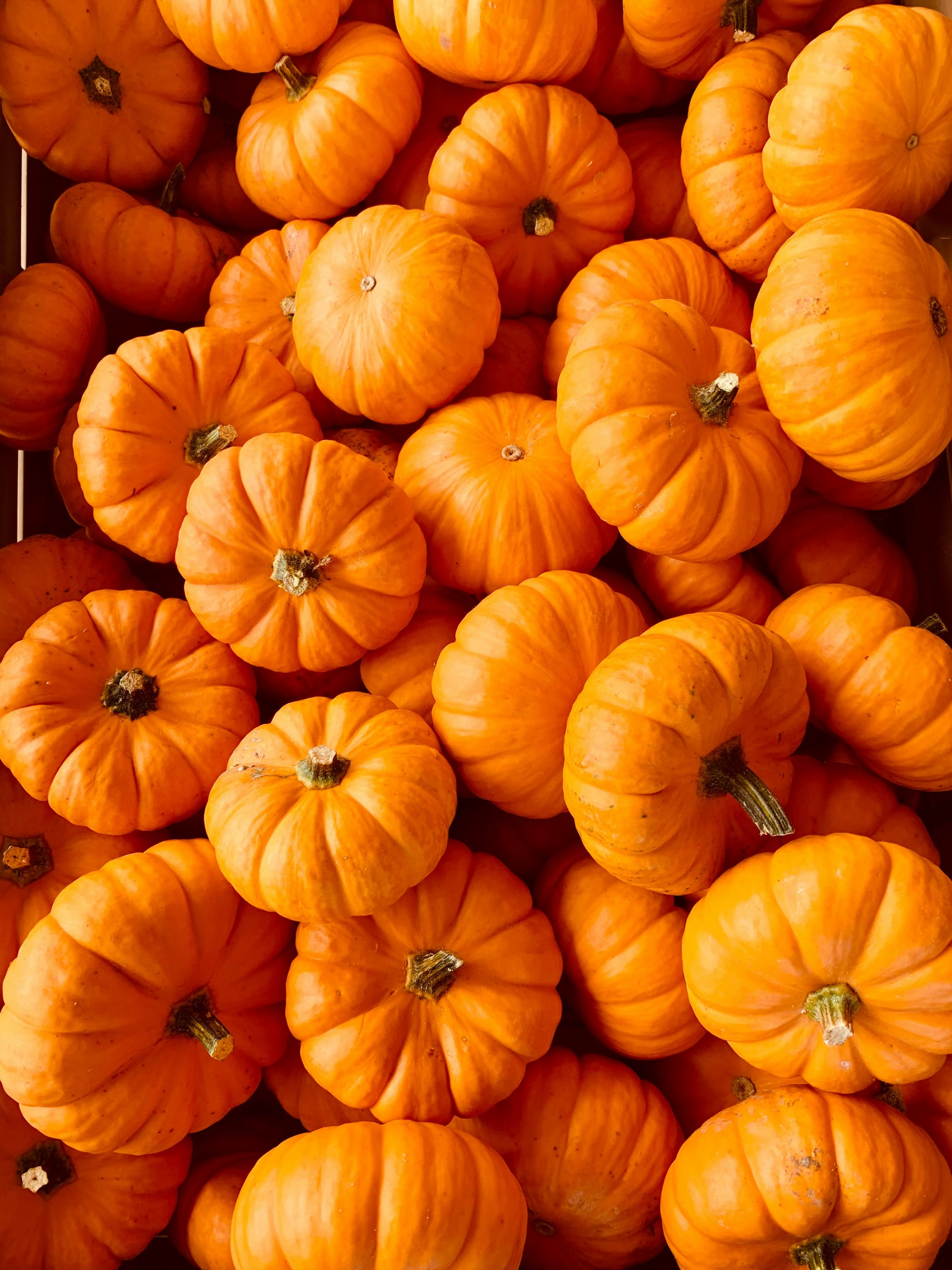
Part 2: Pumpkin Patches and Apple Orchards
Pumpkin patches: how to do it right
Go in the first half of October if you want a pumpkin that lasts through Halloween without softening. A pumpkin picked the last week of September can hold for six to eight weeks if it is cured properly; a pumpkin picked on October 30 in a wet field may already have a soft spot.
Field rules that matter:
Cut, don't yank. Bring or borrow shears and cut the stem leaving two to three inches. A broken stem is an open wound that starts rot within days.
Never carry a pumpkin by its stem. The stem is a handle only in photographs.
Look for a solid, hollow-sounding thump and a dry, intact stem. Skip any pumpkin with soft spots, mold at the blossom end, or a stem that has already collapsed.
Skip pale or green pumpkins for carving and save them for decoration or roasting — they are usually underripe.
Set the pumpkin on a scrap of cardboard or a plastic lid once you get it home, and keep it off concrete. Concrete wicks moisture and accelerates rot.
A working pumpkin field. Mid-October is the sweet spot between selection and shelf life.
What to do with the pumpkin besides carving: roast the seeds (rinse, boil 10 minutes in salted water, dry, toss in oil, bake at 300°F for 40–50 minutes, stirring), and roast the flesh of a sugar pumpkin for pie. Sugar pumpkins — the small, dense ones — are for eating. The giant carving varieties are stringy and watery.
Apple orchards: pick better, bake better
Apple season runs from late August through late October depending on variety. Early-season apples (Gala, McIntosh, Zestar) arrive first; Honeycrisp peaks in late September to early October; Fuji, Braeburn, and Granny Smith finish the season in late October. Call the orchard before you drive out — most publish a "what's ready this week" schedule because varieties ripen on a two-week rotation.
Picking technique: cup the apple in your palm, twist, and lift. If it doesn't come off with a gentle twist, it isn't ripe. Pulling hard tears the spur and damages next year's crop.
U-pick apples move on a two-week variety rotation — check the orchard's schedule before driving out.
What to bring home: a mix. Firm, tart apples (Granny Smith, Braeburn, Honeycrisp) hold up in pies and crisps; sweeter softer varieties (McIntosh, Gala) are better for sauce and eating out of hand.
Fresh cider is unfiltered and usually unpasteurized — a different product from shelf-stable apple juice.
On cider: true apple cider is unfiltered, and fresh-pressed cider is often unpasteurized. The FDA advises that children, older adults, pregnant people, and anyone immunocompromised avoid unpasteurized juice and cider, or drink it only after bringing it to a boil. If you want the fresh-pressed experience without the risk, buy it, then heat it to a simmer before serving.
Cider doughnuts are the official pastry of the American orchard. Fried in cider and coated in cinnamon sugar, they are best within an hour of the fryer.
The farm-fun circuit: corn mazes and hayrides
Most mid-size farms run a full fall festival: pumpkin patch, u-pick apples, corn maze, hayride, petting zoo, cider press, and a doughnut stand in one place. A few practical notes:
Corn mazes are mostly a navigation problem. Wear closed shoes, take water, and set a phone timer — families regularly spend two hours in a field they expected to cross in twenty minutes. Most mazes have an emergency exit; note where it is on the way in.
Hayrides are almost always the best value at a fall farm, especially for young kids and grandparents. They're also the best way to see how big the operation actually is.
Go early on a Saturday or on a weekday afternoon. Farm parking lots fill by 11 a.m. on the first three weekends of October, and the lines at the doughnut window get genuinely long.
Call ahead for availability. Some farms sell out of u-pick apples on a good weekend, and weather closes mazes without warning.
Hayrides are the cheapest way to see a working fall farm — and usually the highlight for kids.
A corn maze looks crossable from the outside. Budget two hours and bring water.
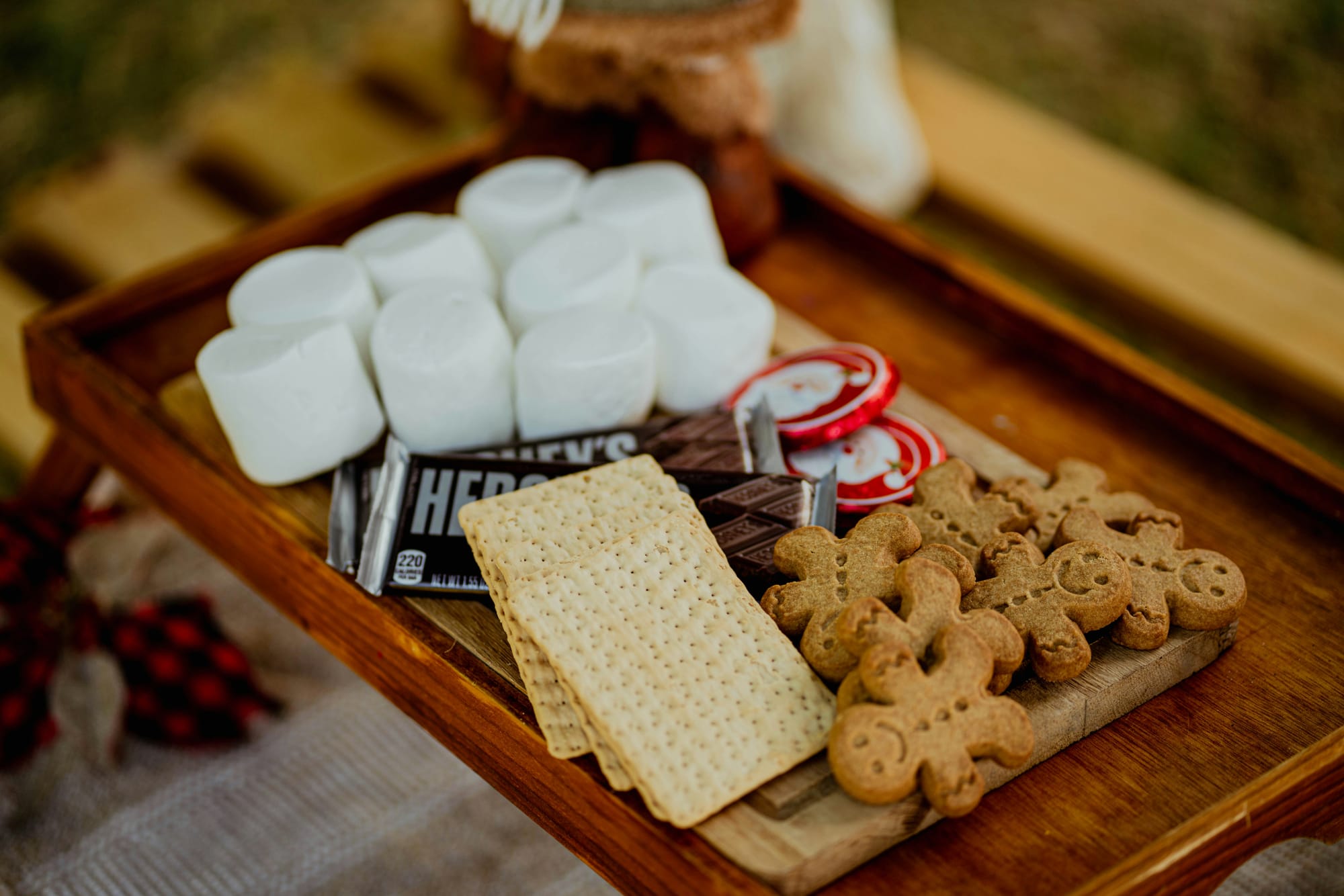
Part 3: Backyard Fall — Fires, S'mores, and Leaves
The campfire night
A fire in the yard is the most repeatable fall activity there is. Make it easy on yourself:
Check for burn bans before you light anything. Fall is peak wildfire season across much of the West and parts of the Southeast, and many jurisdictions restrict open burning based on daily fire danger. A burn ban violation is a real fine, not a warning.
Use a dedicated fire pit set well away from the house, overhanging branches, and dry grass. Keep a bucket of water and a shovel within arm's reach.
Build it efficiently: tinder (dry leaves, birch bark, crumpled paper), then kindling sticks up to pencil thickness, then split hardwood. Light the tinder and feed upward.
Burn hardwood, not softwood. Oak, maple, ash, and hickory throw more heat and far less creosote than pine or spruce. Seasoned wood — split and dried six months or more — is the whole game.
Never leave it unattended, and drown it when you're done. Cold ashes can hold embers for a day.
Seasoned hardwood, a water bucket, and a burn-ban check are the whole recipe.
S'mores, properly
The classic is graham cracker, a toasted marshmallow, and a chocolate bar. Three upgrades that are worth the trouble:
Toast, don't incinerate. Hold the marshmallow above the flame, not in it, and rotate until it's an even golden brown. If it catches fire, blow it out rather than waving it — waving flings hot marshmallow.
Use a thin square of good chocolate, not a thick chunk, so it melts fully against the warm marshmallow. Dark chocolate at 60–70% is the sweet spot.
Add salted peanut butter, a thin slice of banana, or a dusting of cinnamon between the cracker and the marshmallow. A raspberry jam layer turns it into a very different dessert.
The margin between a perfect s'more and a burned one is about nine seconds.
Leaves: the crafts and the chores
Wax-paper press: sandwich leaves between two sheets of wax paper, cover with a towel, and iron on low until the wax fuses. Hang in a window — the light comes through like stained glass.
Leaf rubbings: put a leaf vein-side-up under paper and rub the side of a peeled crayon across it. This is the single best rainy-day fall craft for kids.
Glycerin preservation: soak leaves in a mix of one part glycerin to two parts water for three to five days so they stay supple and never crumble. This is what preserves a leaf you actually want to keep past November.
Don't bag your leaves too early. Shredded leaves are free mulch and free compost. Mow them into the lawn, or pile them in a wire bin, and you'll have leaf mold — some of the best soil amendment you can get — in a year.
Watch for ticks and chiggers in leaf piles and tall grass through the end of the season. Long socks, and a tick check when you come in.
Shredded leaves are free mulch. Pile them in a wire bin and you'll have leaf mold within a year.
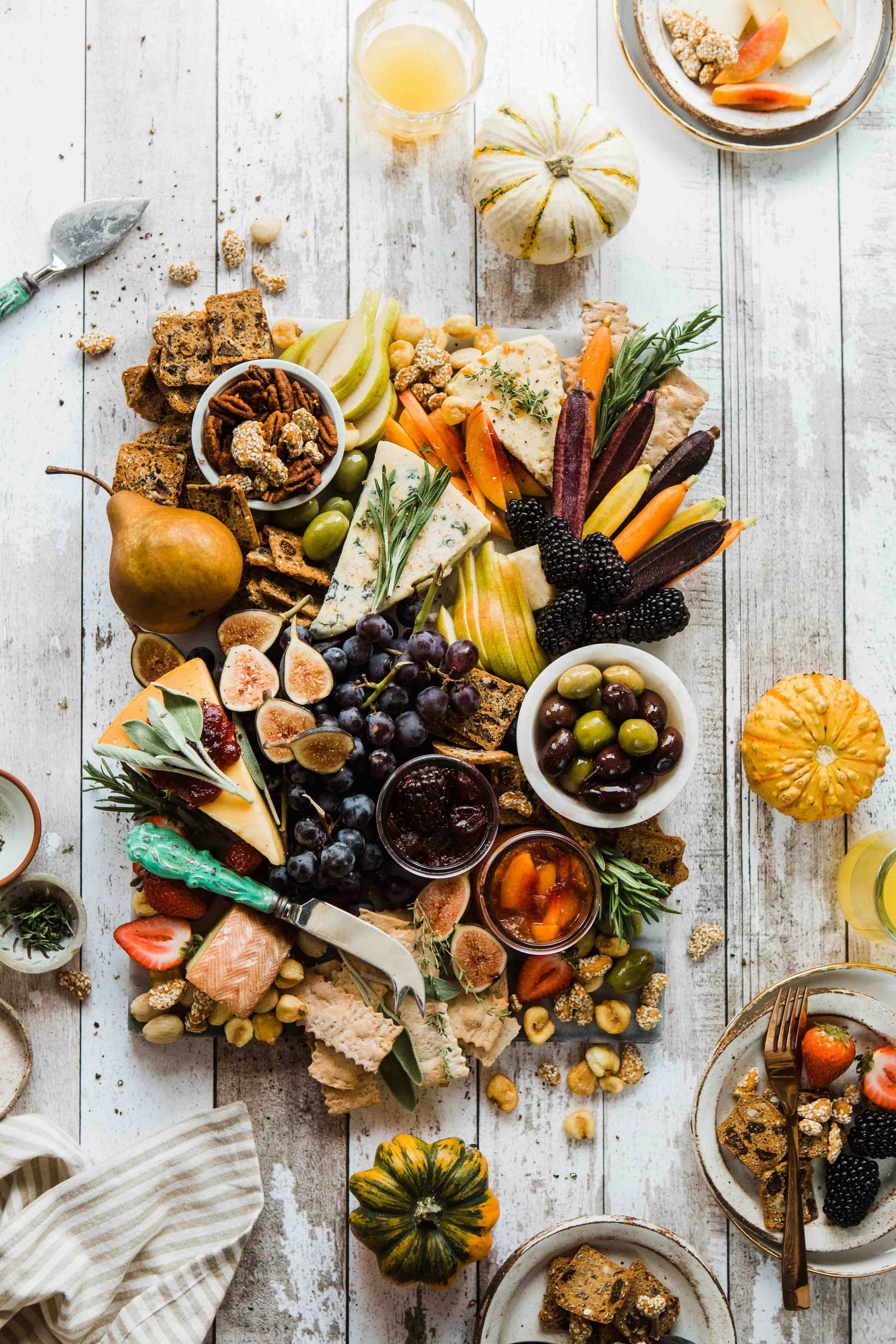
Part 4: What to Cook — The Fall Kitchen
Fall cooking has one organizing principle: things that take a long time and make the house smell good. Here are the dishes worth actually learning, with the core method for each.
Chili (the workhorse)
Brown two pounds of ground beef or a chuck roast cut into cubes. Soften one diced onion and two diced peppers. Add three tablespoons of chili powder, one tablespoon of cumin, one teaspoon of smoked paprika, and a tablespoon of cocoa powder — the cocoa is what makes it taste like it simmered for hours even when it didn't. Add a 28-ounce can of crushed tomatoes, a can of beans if you're a beans person, and a bottle of dark beer or a cup of stock. Simmer at least 45 minutes; two hours is better. Finish with a splash of cider vinegar and a pinch of brown sugar.
Chili is the season's most forgiving recipe: toasted spices, a long simmer, and a splash of vinegar at the end.
Butternut squash soup (the elegant one)
Halve a butternut squash, roast it cut-side-down at 400°F for 45 minutes, and scoop the flesh. Sweat a diced onion and an apple in butter, add the squash, cinnamon, nutmeg, and a pinch of cayenne, then four cups of stock. Simmer 20 minutes and blend. Finish with cream or coconut milk. Roasted squash — never boiled — is what gives it depth.
Roasting the squash before it hits the pot is the difference between a good soup and a flat one.
Apple crisp (the fastest dessert in the season)
Toss six sliced apples with sugar, cinnamon, a tablespoon of flour, and lemon juice. In a separate bowl, cut cold butter into flour, oats, brown sugar, and salt until crumbly, then scatter it over the fruit. Bake at 375°F for 40 minutes. Serve warm with vanilla ice cream — the temperature contrast is the point.
Pot roast (the Sunday one)
Season a chuck roast heavily, sear it hard on all sides, then set it on onions, carrots, and potatoes in a Dutch oven with a cup of stock and a cup of red wine. Lid on, 325°F, three hours. Do not open the lid. Rest it 20 minutes before slicing.
Mulled cider (the easiest win)
Simmer a half-gallon of cider with two cinnamon sticks, a few whole cloves, a star anise pod, orange slices, and a knob of fresh ginger for 20 minutes. Don't boil it — boiling cooks off the aromatics. Spike with bourbon or dark rum per glass if you like. Simmering also pasteurizes unpasteurized cider as a side benefit.
Pumpkin pie (worth making from a real pumpkin once)
Halve a sugar pumpkin, roast at 375°F for about an hour until a knife slides in easily, then scoop and puree the flesh. Two cups of that puree with a can of sweetened condensed milk, two eggs, cinnamon, ginger, cloves, and salt, into a blind-baked crust at 425°F for 15 minutes then 350°F for 40. The flavor difference between fresh roasted pumpkin and canned is real, and worth doing at least once.
Fresh roasted sugar pumpkin makes a noticeably different pie than canned puree — try it once.
Apple cider doughnuts
The orchard staple: a soft, spiced cake doughnut made with cider, fried and rolled in cinnamon sugar. They are at their best within an hour of coming out of the oil, which is why they taste so much better at the farm than they do in a box the next morning.
Hot drinks for a cold night
Hot cocoa made with real melted chocolate rather than powder, spiced chai, hot buttered rum, mulled wine with orange peel and clove, or the simplest option: heated cider with a cinnamon stick.
Part 5: What to Eat — The Fall Shopping List
Fall food at the market is mostly about squash, roots, and apples. The produce that is genuinely at its best right now:
Squash: butternut, acorn, delicata, kabocha, spaghetti. Delicata's skin is edible — no peeling.
Roots: sweet potatoes, parsnips, turnips, beets, carrots, potatoes.
Apples: every variety, all of them cheap.
Pears, cranberries, pomegranates, figs, grapes — all in season.
Greens that improve with cold: kale, collards, Brussels sprouts, cabbage. Frost makes them sweeter.
Pumpkin everything, plus chestnuts, pecans, and hazelnuts.
Mushrooms: wild mushroom season peaks in fall — buy from a trusted forager or a market, never eat a mushroom you identified from a photo.
Fall is the last big market push: squash, roots, apples, pears, cranberries, and greens that get sweeter after a frost.
Seasonal flavors that are worth the hype: cinnamon, nutmeg, clove, allspice, ginger, maple, brown butter, sage, thyme, rosemary, cranberry, apple, pecan, and smoked paprika.
Part 6: Fall Events and Traditions to Put on the Calendar
Dates are 2026:
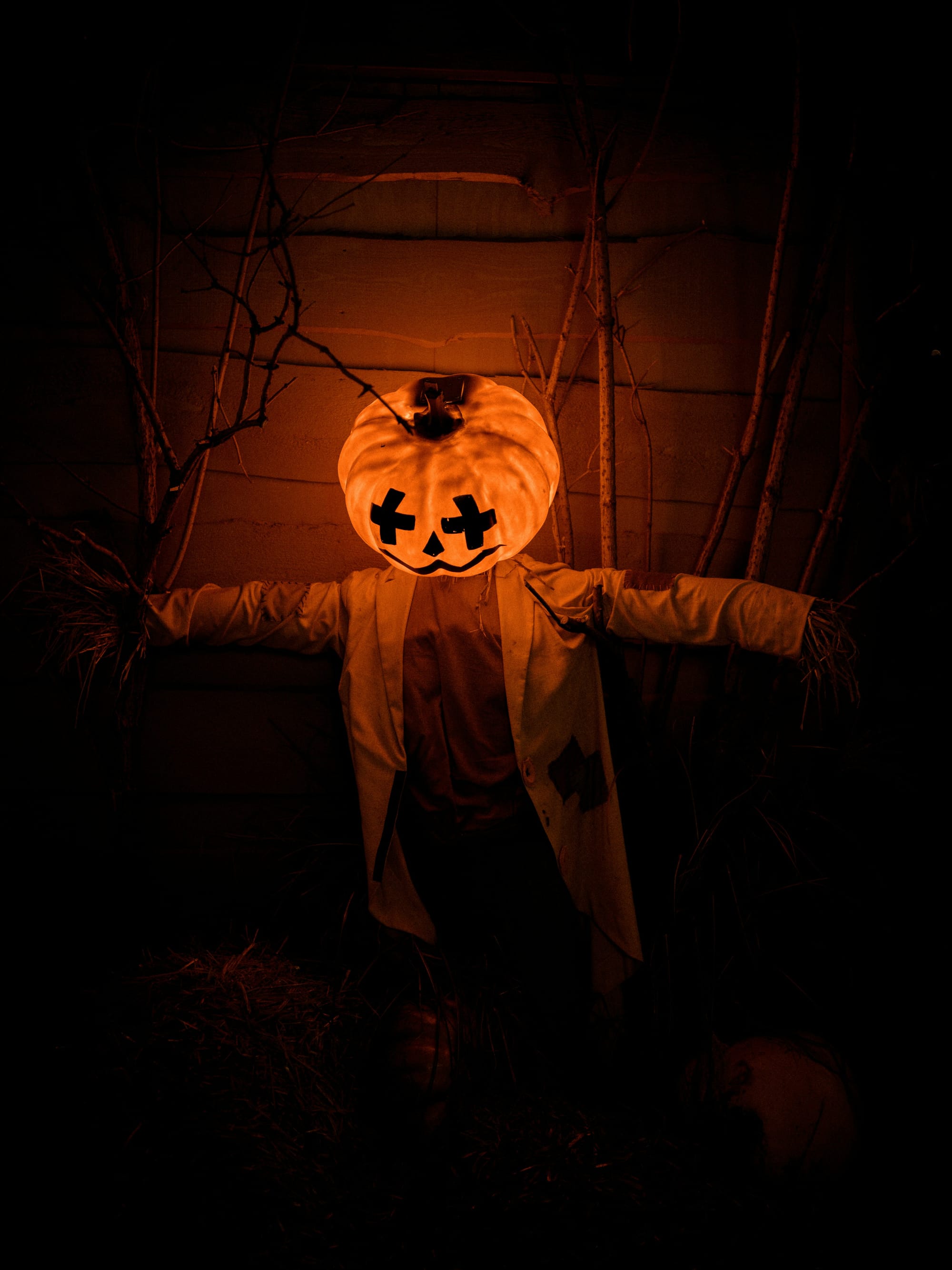
Halloween — Saturday, October 31. Trunk-or-treats and neighborhood events usually run the weekend before.
Daylight saving time ends — Sunday, November 1. You get an extra hour at 2 a.m. Sunset jumps to roughly 4:45–5:00 p.m. in most of the country, which is the real reason fall evenings feel so short.
Election Day — Tuesday, November 3.
Thanksgiving — Thursday, November 26, with the Macy's Thanksgiving Day Parade and NFL games that afternoon.
Black Friday — Friday, November 27 and Small Business Saturday the next day.
Veterans Day — Wednesday, November 11 — many national parks and monuments waive entrance fees.
Seasonal traditions that cost nothing: a first-frost walk, a pumpkin-carving night with friends, a fall photo at the same spot every year, a "leaf of the week" jar with the kids, a backyard fire with neighbors, a drive to see holiday lights the week after Thanksgiving, and a soup-and-bread night once a week from October through February.
Part 7: The Fall Bucket List
Print it, put it on the fridge, cross things off:
Pick a pumpkin out of an actual field, and cut the stem properly
Pick apples at a u-pick orchard, at least three varieties
Take a scenic foliage drive on a weekday morning
Find one leaf worth pressing in wax paper
Have a fire and make s'mores
Eat a cider doughnut within an hour of the fryer
Get lost in a corn maze on purpose
Go on a hayride
Make chili from scratch and let it simmer for two hours
Roast pumpkin seeds from your own jack-o'-lantern
Bake something with the apples you picked
Drink mulled cider on a cold night
Watch a scary movie on Halloween and hand out candy
Eat a slice of real pumpkin pie
Take a fall photo at the same spot as last year
Rake leaves and jump in them — then shred the rest for the garden
Part 8: Planning Notes, Safety, and Money
Dress in layers, and bring more than you think you need. Fall temperature swings of 25 degrees between 9 a.m. and 4 p.m. are normal. A flannel, a jacket, and boots you don't mind getting muddy covers almost every fall outing.
Fall is peak camping season, and campgrounds know it. Many national park and state park sites book out weeks ahead for the October weekends. Reserve early, and have a backup site.
Fire safety, again, because it matters: check the burn ban, keep water and a shovel on hand, never leave a fire unattended, and drown it cold before you leave. Most fall house fires start with a fire pit or a space heater, not a fireplace.
Money-saving moves: state park passes are cheaper than daily fees after two visits; most fall farm festivals charge admission only for the maze and rides, not for the pumpkin patch itself; u-pick apples are usually cheaper than grocery store apples at peak; and a national park annual pass pays for itself in two visits if you're road-tripping foliage.
The one thing people always get wrong: waiting. Everything in this guide is better in the first half of its window than the second half. Book the orchard weekend today, not the week before Halloween.

