
Two Independence Days, One Unfinished American Story Why Black Americans have earned — and must claim — both July 4th and Juneteenth as their own.
The idea that Black Americans should choose between Juneteenth and the Fourth of July is a false choice. These two dates represent distinct but inseparable chapters in the same American story — one marking the declaration of ideals in 1776, the other marking the long, unfinished struggle to make those ideals

The idea that Black Americans should choose between Juneteenth and the Fourth of July is a false choice. These two dates represent distinct but inseparable chapters in the same American story — one marking the declaration of ideals in 1776, the other marking the long, unfinished struggle to make those ideals real for every citizen. Black Americans were never peripheral to this story. We were essential to its writing.
A Nation Founded Amid Contradiction
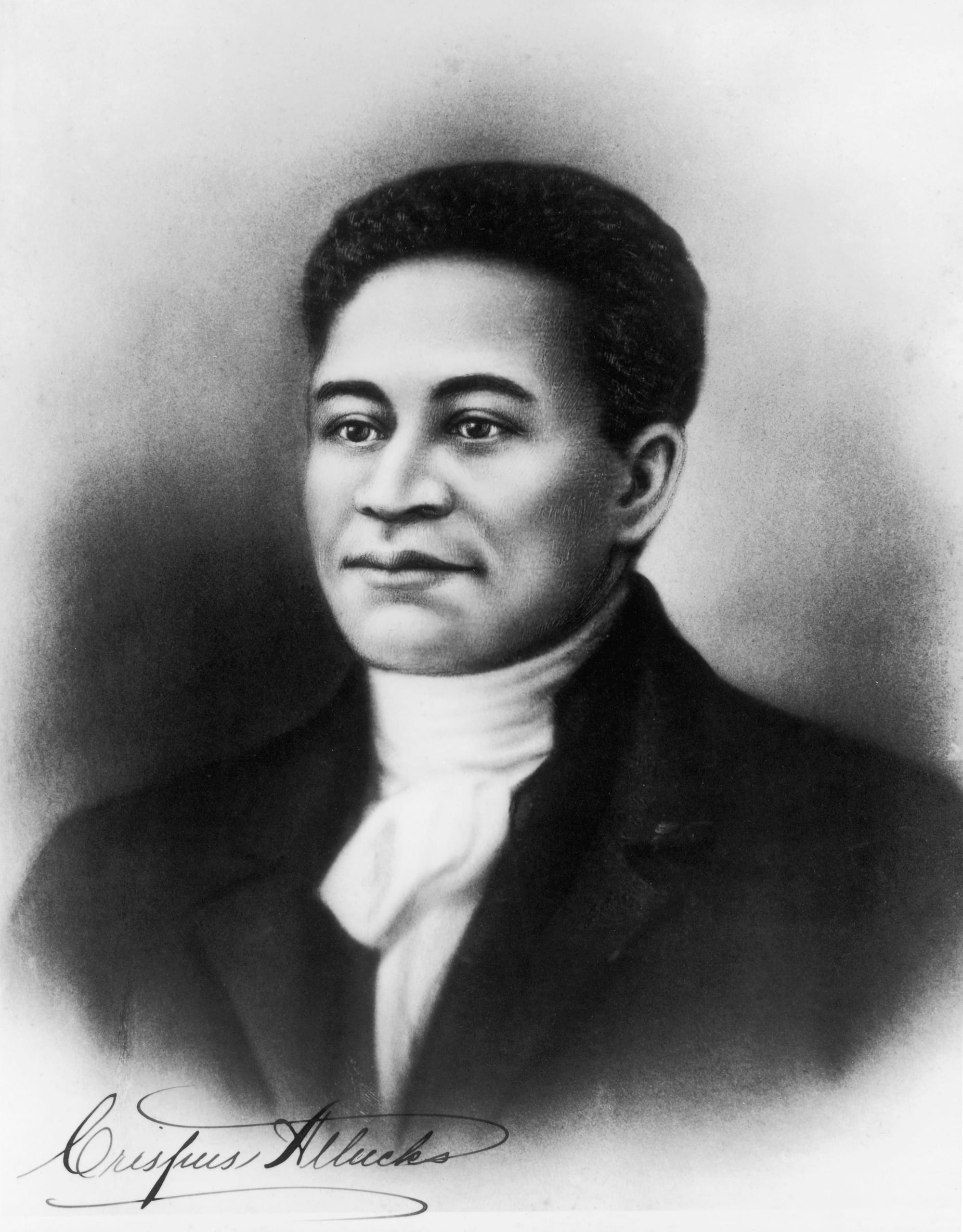
When the Continental Congress adopted the Declaration of Independence on July 4, 1776, roughly one-fifth of the population in the thirteen colonies was Black. Most were enslaved, yet thousands of Black men took up arms in the Revolutionary War. Historians conservatively estimate that around 5,000 Black soldiers served in the Continental Army and Navy. Crispus Attucks, a man of African and Native American descent, became the first casualty of the American Revolution at the Boston Massacre in 1770. At Bunker Hill, Peter Salem and Salem Poor fought with distinction; Poor received commendation from fourteen officers for his valor. Later, when the British offered freedom to enslaved men willing to fight against the colonists, thousands responded — a grim acknowledgment by both sides that Black military service could decide the outcome of the war.
Even outside the battlefield, Black intellect helped shape the early republic. Benjamin Banneker, a free Black mathematician and astronomer, assisted in surveying the boundaries of the new federal capital. Phillis Wheatley, an enslaved African woman, published poems in 1773 that celebrated the cause of liberty while exposing its hypocrisy. These contributions were not footnotes. They were part of the founding moment itself.
The Long Road From Promise to Practice
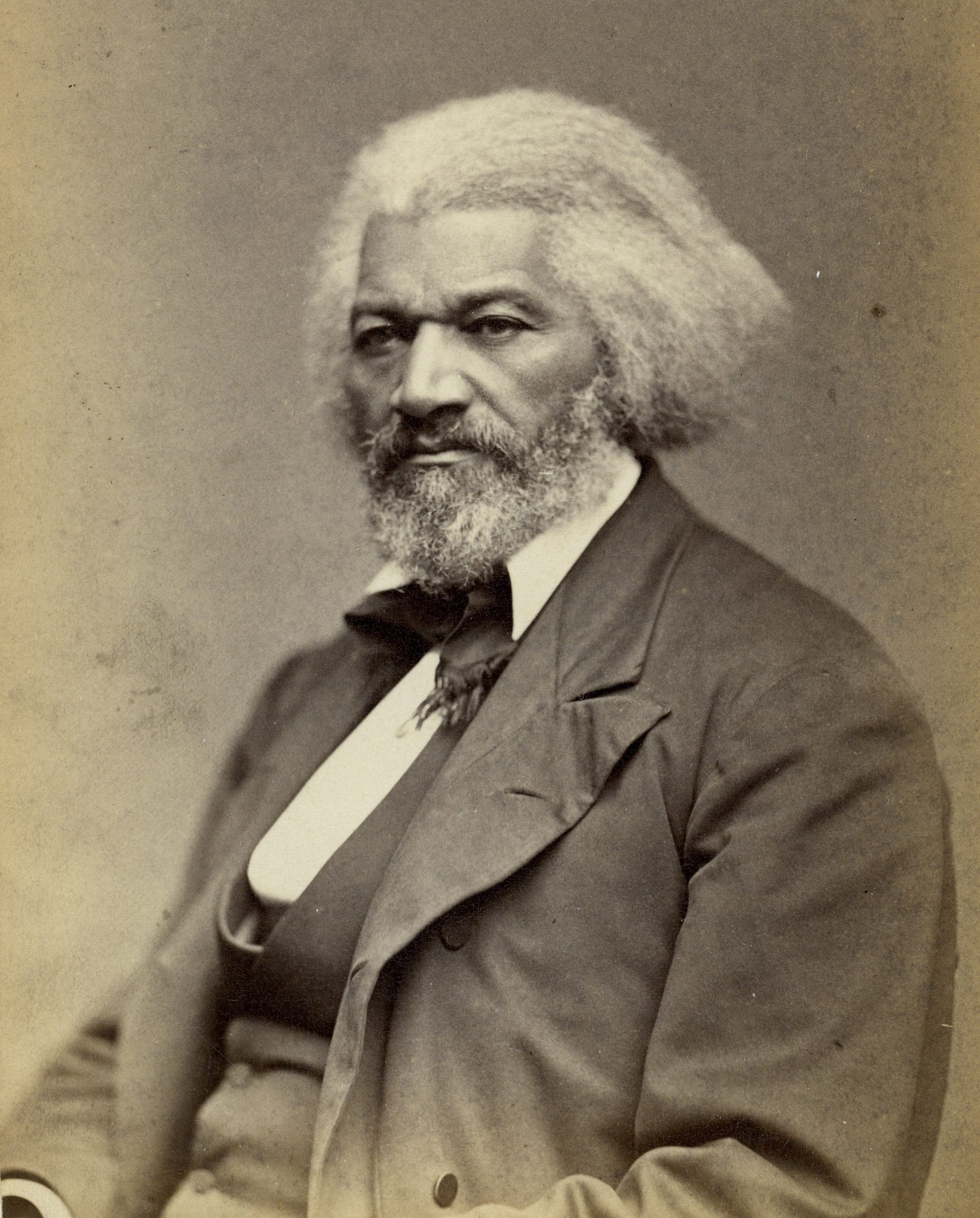
The Declaration’s assertion that “all men are created equal” collided immediately with the reality of chattel slavery. That contradiction became the defining tension of American history. Frederick Douglass captured it with devastating clarity in his 1852 address, “What to the Slave Is the Fourth of July?” He did not reject the nation’s founding principles; he insisted they be made true.
Juneteenth represents a critical, if incomplete, step toward that truth. On June 19, 1865, Union troops finally reached Galveston, Texas — more than two years after Lincoln’s Emancipation Proclamation — and enforced freedom for the last enslaved people in the Confederacy. For Black Americans, Juneteenth did not end the fight for equality. It marked the moment when legal bondage gave way to a new and different struggle. Celebrating both holidays together refuses to treat the founding promise and its belated fulfillment as separate narratives. They belong to one continuous American reckoning.
The Hands That Built the Republic
Black Americans did not merely inhabit the country that emerged from 1776. We built it.
Enslaved labor created the economic engine that financed early American growth. By the 1850s, cotton — cultivated almost exclusively by enslaved people — was the nation’s leading export, underwriting Northern banks, shipping empires, and the first wave of industrialization. After emancipation, Black workers supplied the muscle for the nation’s expansion. During the Great Migration, millions moved north and west, powering steel mills, auto plants, railroads, and factories that defined twentieth-century American prosperity. The Pullman porters organized one of the most consequential labor unions in U.S. history.
Black Americans have fought in every major conflict since the Revolution. Nearly 200,000 served in the Union Army during the Civil War. The 54th Massachusetts proved its courage at Fort Wagner. In World War II, the Tuskegee Airmen flew more than 1,500 missions and earned over 150 Distinguished Flying Crosses. They defended a democracy that still withheld full citizenship from them.
Black ingenuity has repeatedly transformed American life. Lewis Latimer perfected the carbon filament that made widespread electric lighting possible. Granville Woods developed the railway telegraph, dramatically improving safety for an expanding nation. Garrett Morgan invented both the gas mask and the modern three-position traffic signal. George Washington Carver’s agricultural innovations helped rescue Southern soil. Madam C.J. Walker created a business empire that made her one of America’s first self-made female millionaires. These are not exceptional anomalies; they are part of a larger pattern of contribution too often overlooked.
Culturally, Black Americans did more than participate in the national identity — we helped invent it. Jazz, blues, rock and roll, gospel, and hip-hop emerged from Black communities and became the most globally recognized expressions of American creativity. Writers from Langston Hughes and Zora Neale Hurston to James Baldwin and Toni Morrison gave the country some of its most searching examinations of freedom, identity, and democracy.
Two Dates, One Story
July 4th commemorates the birth of an experiment in self-government. Juneteenth marks the moment when millions of Americans were finally brought, however imperfectly, inside that experiment’s promise. Black Americans have earned the right to claim both dates without apology or qualification. We were present at the nation’s creation, in its fields and on its battlefields, in its factories and laboratories, in its arts and its civic life. We helped shape the country that now claims us.
To celebrate only one while dismissing the other is to accept an incomplete version of America. To honor both is to insist on the full, complicated truth: that this nation was founded on radical ideals and that Black Americans, through generations of labor, sacrifice, and creativity, have been indispensable to the ongoing effort to make those ideals real.


